Cut Costs When Getting Rid of Bulky Waste Items
Getting rid of large unwanted items can be challenging and expensive. Whether you're decluttering your home, renovating, downsizing, or moving, disposing of bulky waste such as old furniture, mattresses, appliances, or garden debris can come with unexpected costs. However, with a strategic approach, it's possible to minimize expenses while still being environmentally conscious.
In this in-depth guide, we'll explore clever and practical methods to cut costs when getting rid of bulky waste items, highlight alternatives to landfill disposal, and provide tips for efficient, affordable, and responsible rubbish removal.
Why Bulky Waste Disposal Is So Expensive
Before we delve into cost-saving solutions for disposing of large waste, it is useful to understand the factors that contribute to bulky item disposal costs:
- Weight and size: Heavier and larger items increase transportation, labour, and dumping costs.
- Special handling requirements: Hazardous components (e.g., refrigerants in fridges) add to expense.
- Distance to disposal sites: The further the landfill or recycling centre, the higher the transport cost.
- Local authorities' fees: These vary widely and can be prohibitively expensive in some areas.
- Limited landfill space: Environmental regulations and landfill scarcity drive up prices.
You don't have to bear high charges to dispose of your unwanted bulk items. Here are tried-and-tested strategies to cut down bulky waste costs while clearing out your property efficiently.

1. Reuse and Repurpose Before You Dispose
One of the smartest ways to save money when it comes to large rubbish removal is to ask yourself: Does this item need to be thrown away? Many bulky items can be reused, repurposed or upcycled, reducing the volume of waste to be hauled.
How to Maximise Reuse Opportunities:
- Repair: Items like tables and chairs can often be fixed.
- Upcycle: Transform an old wardrobe into shelves, or a dresser into a kitchen island.
- DIY Projects: Use timber from unwanted furniture for garden planters or other home projects.
By looking for creative ways to repurpose, you not only save on waste disposal fees but also contribute positively to the environment.
2. Sell or Give Away Large Items
Many bulky items might be useless to you but valuable to someone else. Consider these cost-cutting disposal methods:
- Online Marketplaces: Sell furniture, appliances, and garden equipment via platforms like Facebook Marketplace, Craigslist, or Gumtree. This can turn prospective waste into cash.
- Charity Shops and Non-Profits: Donate items in decent condition to organisations that arrange collection for free, saving you the removal fee.
- Give Away Locally: Use apps or community groups like Freecycle, Nextdoor, or local Facebook groups to find takers for your bulky waste items who will pick them up.
Not only do you effectively cut the costs of disposing of bulky rubbish, but you also extend the lifespan of your items.
3. Take Advantage of Municipal Bulk Waste Collection
Most city councils and municipalities offer bulky waste collection services--some free of charge, some at subsidised rates. Research what your local council provides:
- Annual or bi-annual pick-up days where you can place large items at the kerb.
- Bookable bulk collection for specific items at a much lower rate than hiring a private service.
- Council tips and drop-off centres that accept bulky items for free or a small fee.
Be sure to check for:
- Item restrictions (e.g., no electronics or hazardous waste).
- Weight and size limits.
- Collection schedules or booking requirements.
If your council offers these services, it can dramatically reduce your bulky waste removal expenses.
4. Separate Bulky Items for Recycling
Dumping everything in landfill is not only expensive but also bad for the environment. Many bulky items can be recycled for free or at lower cost if separated:
- Metal: Scrap yards often take metal items like bed frames, washing machines, and exercise equipment for free, sometimes even paying you.
- Wood: Timber recyclers accept wood furniture if it's untreated and clean.
- Electronics: Many councils, retailers, and e-waste centres accept old TVs, fridges, and other appliances for recycling at minimal or no charge.
- Mattresses: Special schemes exist for mattress recycling, which can be cheaper than dump fees.
By sorting your bulky waste, you pay only for what really needs landfill disposal, thus saving money and being eco-friendly.
5. Share the Cost -- Book a Skip Bin or Junk Collection with Neighbours
Sometimes, there's no getting around the need for a skip bin or professional junk removal service--for example, after major renovations or a big move. To cut the costs of removing bulky rubbish:
- Pool with neighbours: If others on your street also have bulky items, split the cost of a large skip or rubbish truck.
- Choose off-peak times: Some hauliers offer cheaper rates on weekdays or outside peak seasons.
- Only pay for the space you use: Some junk removal companies charge by actual volume, not the size of the truck, so consolidate and stack efficiently.
How to Maximise Your Skip Bin Use:
- Break down items to fit more per cubic metre.
- Stack items smartly--heavy items on the bottom, lighter on top.
- Don't fill with items you could donate or recycle separately for free.
By sharing and optimising, you can significantly reduce the total expense of getting rid of large waste.
6. Consider Man & Van Rubbish Removal Services
'Man and van' rubbish clearance is a flexible and affordable option for removing bulky items that don't fill an entire skip.
- Benefits: They only charge for the space your items take in their van, and most do the heavy lifting for you.
- Tips: Get quotes from several local providers and ask what they do with the items (many will reuse or recycle first, reducing landfill costs).
For one or two items, this can be far cheaper than a skip or municipal dump fees, and much more convenient.
7. DIY Transport to the Local Tip -- Smart Packing Tips
If you have access to a van or large car, taking your own bulky rubbish to the local recycling centre or tip can save money:
- Check your local tip's fees: Many councils allow free or discounted disposal for residents.
- Plan ahead: Arrange to drop off multiple bulky items in one trip to save time and petrol.
- Borrow or rent a trailer: Often cheaper than hiring professional services.
Always follow any rules about sorting materials and avoid restricted items to prevent extra charges. Pack your vehicle efficiently to fit as much as possible in one go.
8. Avoid Fines and Hidden Costs -- Stay Legal and Safe
Cutting corners by dumping waste illegally or not following local regulations can lead to heavy fines and unplanned costs. Always:
- Check that any private service is licensed and insured for waste disposal.
- Keep receipts -- you could be liable if your rubbish is fly-tipped.
- Don't leave items on the kerb without prior approval.
- Avoid placing prohibited items in skips or council collections (e.g., paint, asbestos, chemicals).
Staying compliant saves money in the long run and keeps your local area clean and safe.
9. Plan Ahead: The Key to Low-Cost Bulky Waste Removal
The best way to minimize bulky waste removal expenses is to plan ahead -- whether you're preparing for a major cleanout, move, or renovation. Here's how:
- Do a full inventory: Identify every large item you want to get rid of -- it's easy to forget about lofts, garages, and garden sheds.
- Group items by disposal method: What can be sold, donated, recycled, or binned?
- Find out deadlines: Some charity collections or council pickup dates may need weeks of notice.
- Disassemble big items: Flat-packed or broken-down furniture costs less to transport and dispose of.
*Planning avoids last-minute solutions, which are usually the most expensive.*
10. Compare Quotes and Negotiate Prices
Just as with any major spending, always compare several options for bulky waste removal:
- Get at least three quotes -- and don't be afraid to haggle.
- Ask for discounts for off-peak collections, large loads, or if items are already sorted and disassembled.
- For charity or community group collections, check if they require a gift-aid or handling fee -- it's often far less than commercial services.
A little research can go a long way in helping you cut costs on large waste clearance.
Frequently Asked Questions about Cheap Bulky Waste Removal
What's the Cheapest Way to Get Rid of Large Items?
Generally, giving away, selling, or using free council pickup are the cheapest. If you must pay, recycling centres (especially if you transport items yourself) are usually most affordable.
Can I Leave Furniture at My Kerb for Free Pickup?
Not everywhere. Most councils require a booked collection for bulky items. Leaving things out without permission risks fines.
Are There Free Options for Bulky Waste Disposal?
Yes. Many councils and charities offer periodic free bulk collections, and online communities often have people willing to collect items at no charge.
How Can I Save Money on a Skip or Junk Collection?
Break down your items, share with neighbours, compare quotes, and only pay for the space you use.
Environmentally Responsible Ways to Get Rid of Bulky Waste for Less
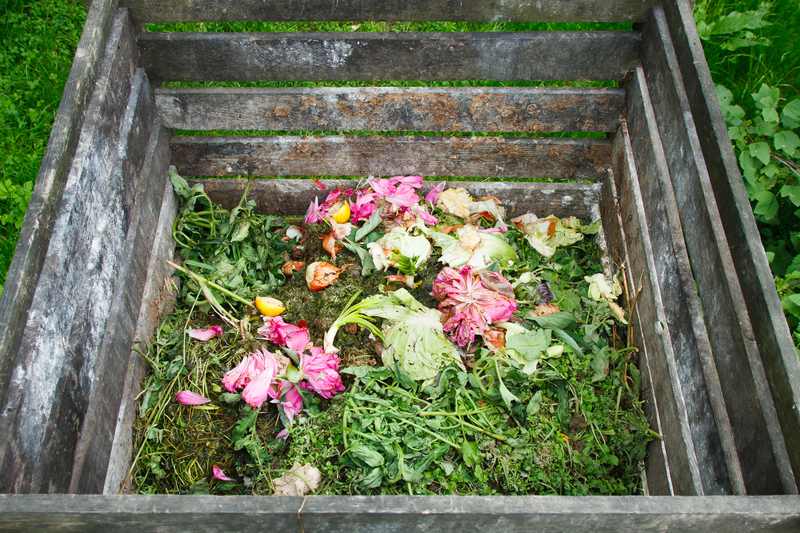
Cutting costs doesn't have to mean compromising on the environment. Some of the best strategies for cheaper bulky waste removal are also those with the least environmental impact:
- Reuse, upcycle or donate wherever possible.
- Sort and recycle items to divert them from landfill.
- Choose professional services with clear green policies.
- Never burn or fly-tip rubbish, as this harms the planet and your wallet.
*Caring for the environment can go hand-in-hand with reducing your own waste disposal bills!*
Summary: How to Cut Costs When Disposing of Bulky Waste
You don't have to dread the expense and hassle of disposing of bulky waste items. With a combination of planning, creative thinking and smart use of free or low-cost services, you can tackle even the biggest home clearout or renovation project with minimal outlay.
- Reuse, repair, upcycle, or donate first to reduce your waste load and keep costs down.
- Research council, charity, or recycling options before paying for private removal.
- Share costs with neighbours and pack efficiently if hiring skips or trucks.
- Always stay safe and legal to avoid fines.
- Compare options and negotiate for the best price.
By following these comprehensive tips, you'll not only cut costs when getting rid of bulky waste, but also do your part for the environment, your community, and your wallet.